

On November 28, 2025, a veteran Falcon 9 rocket lifted off from Vandenberg Space Force Base’s SLC-4E pad, successfully sending 140 payloads to orbit aboard the 15th dedicated rideshare flight — Transporter-15.
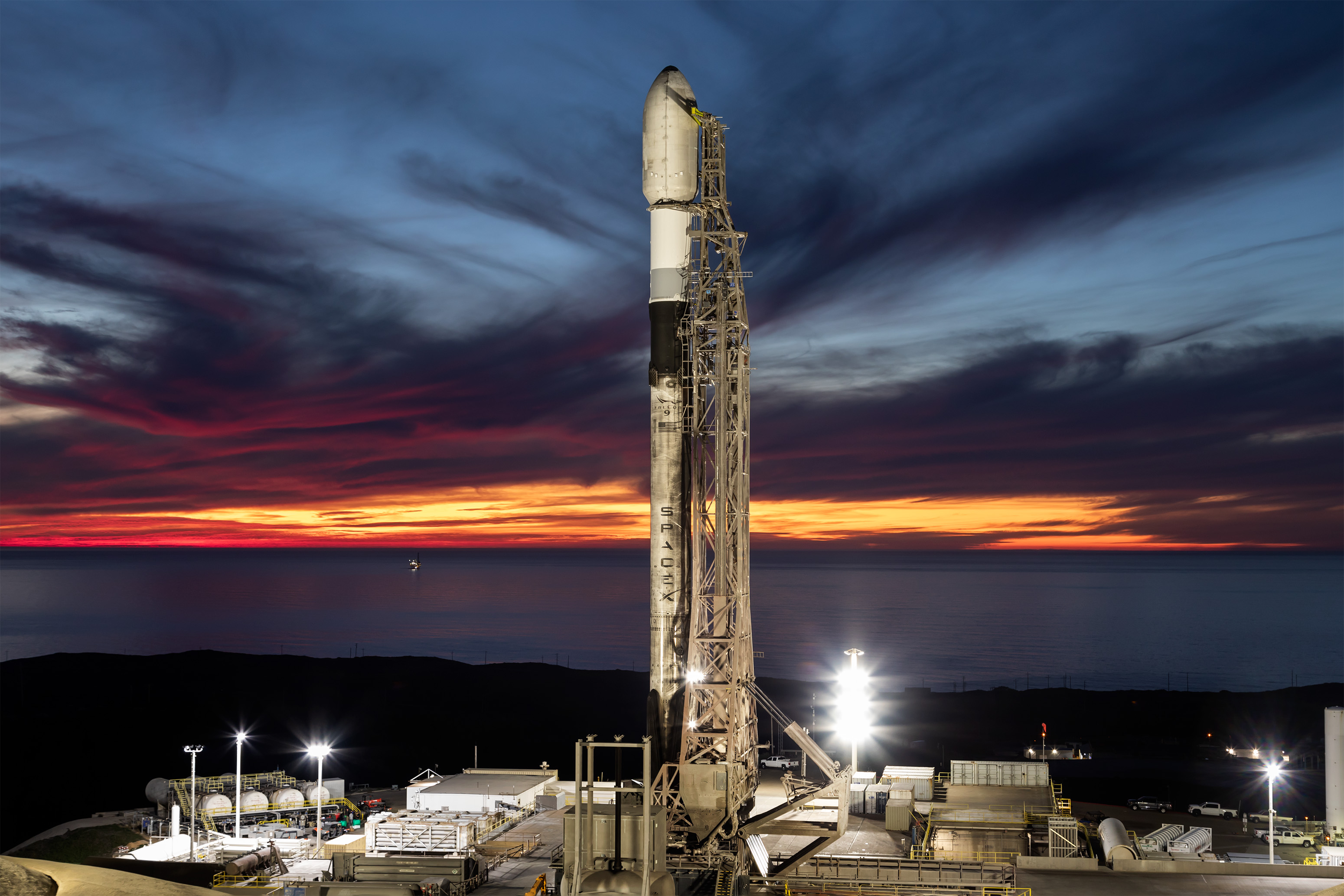
This mission highlights just how far rideshare launch services have come. The manifest included a diverse mix: cubesats, microsats, hosted payloads, and orbital-transfer vehicles — some payloads deployed immediately, others scheduled for later insertion into their own orbits.
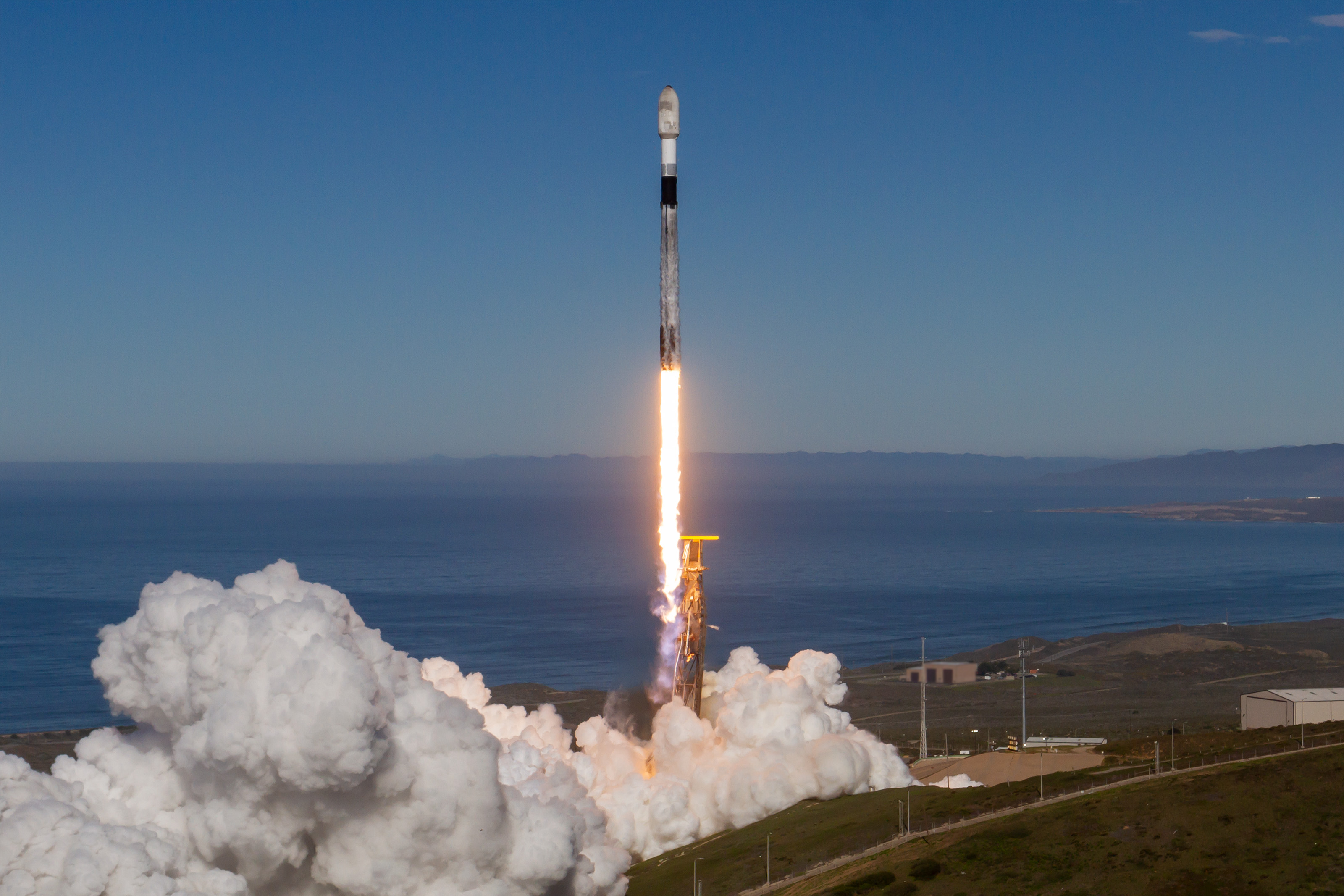
The deployment began about 55–60 minutes after liftoff and stretched over a long, carefully choreographed sequence — a mark of the complexity and precision now standard for multi-satellite missions.
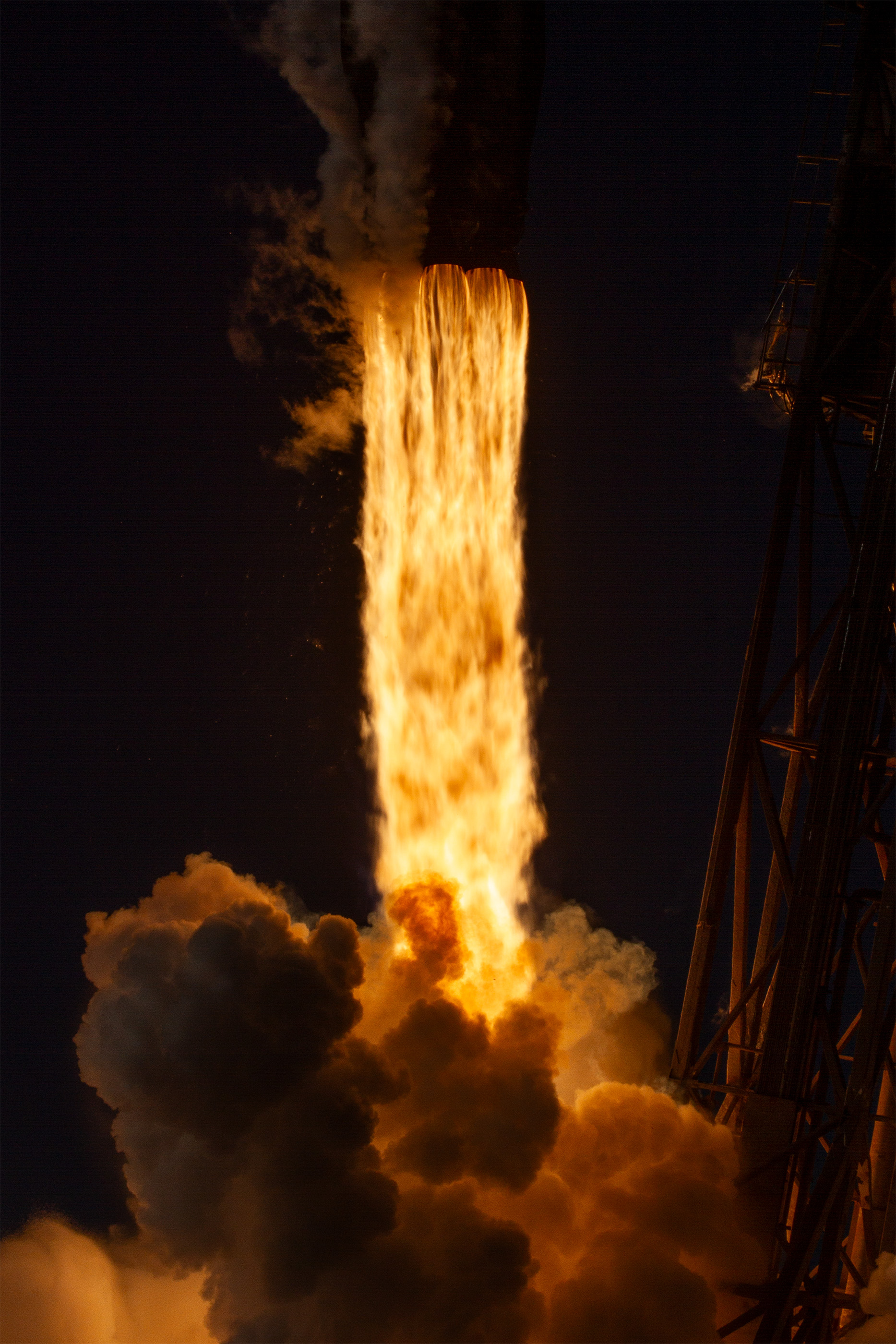
Transporter-15 again demonstrates the value of a mature, reusable launch system. The first-stage booster, already well-flown, carried dozens of payloads for customers ranging from commercial firms to research institutions. The rideshare model continues to lower the barrier to space for smaller teams and startups needing access to low Earth orbit.
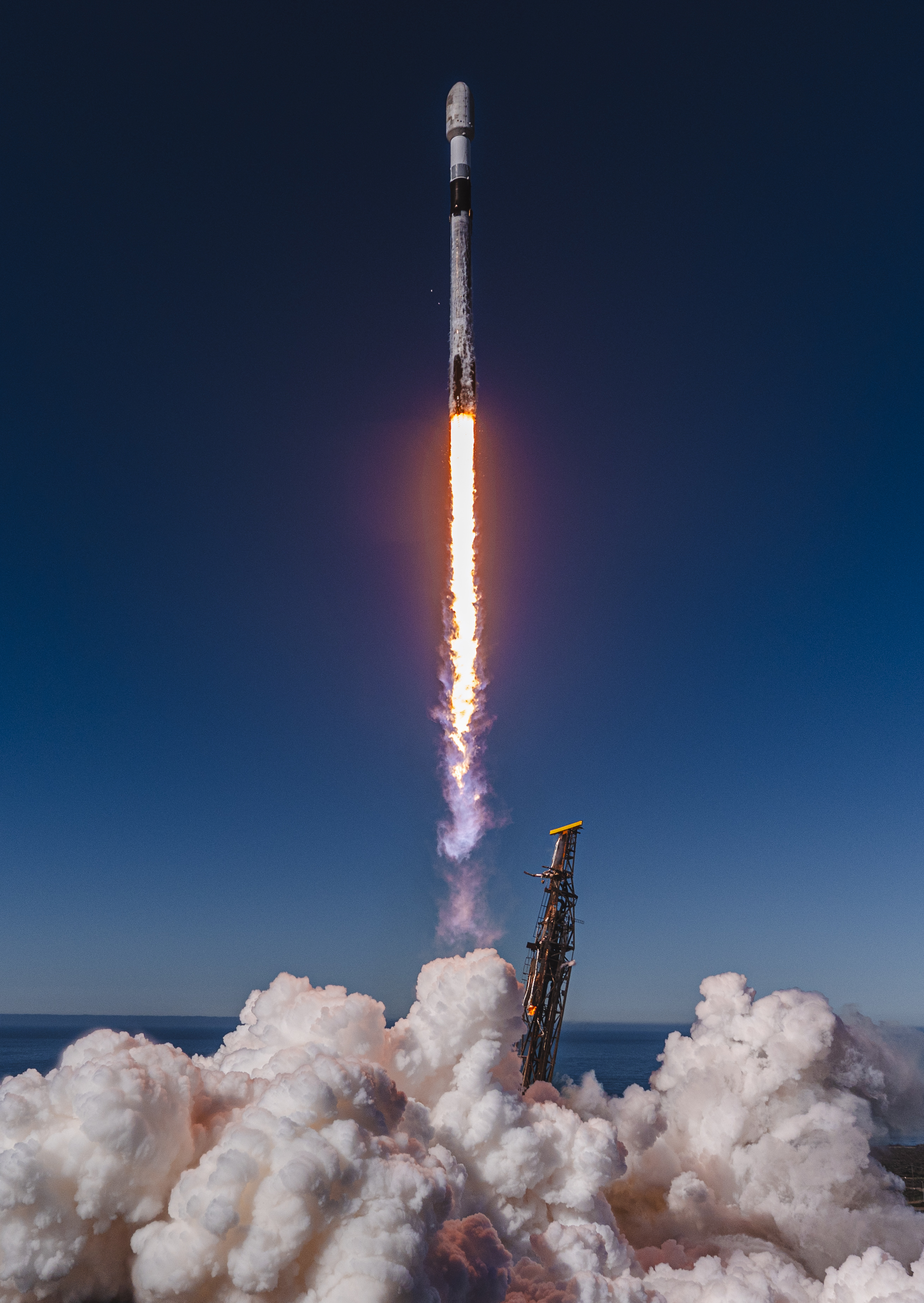
For the broader space community, this isn’t just a launch — it’s infrastructure. By launching dozens (or hundreds) of small satellites in a single shot, providers are enabling new constellations, Earth-observing networks, IoT systems and research platforms. Transporter-15 is a snapshot of a future where orbit is shared, affordable, and routine.


Leave a comment