

Today marks a big moment at SpaceX’s West-Coast launch site — the Falcon 9 rocket stands fully vertical at Pad 4E (SLC-4E) at Vandenberg Space Force Base in California, in preparation for the much-anticipated Transporter-15 rideshare mission. The 57-minute launch window opens at 10:19 a.m. Pacific Time, and if weather and checks stay green, we’re in for another major deployment.

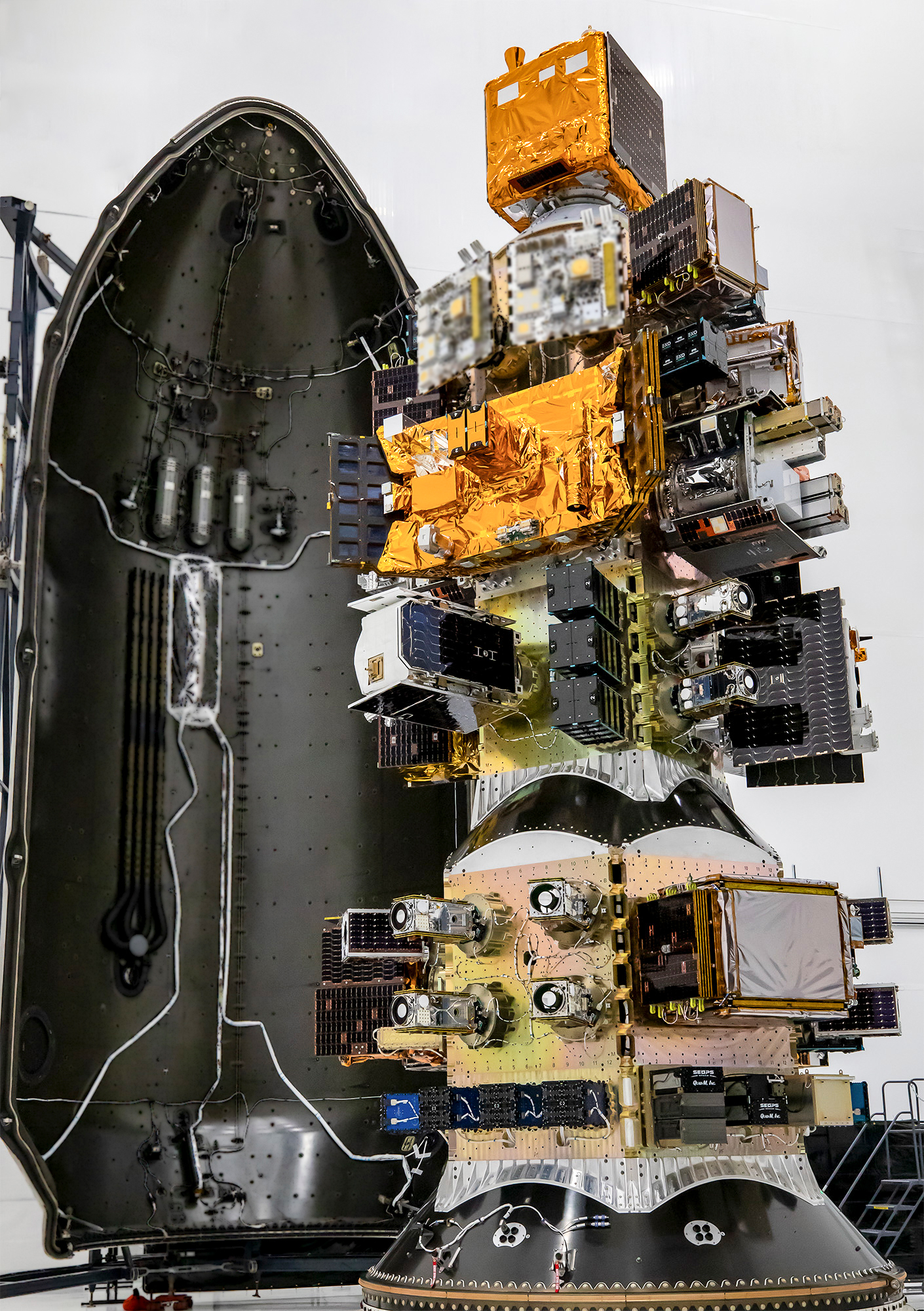
This launch isn’t just routine — it’s a showcase of scale and flexibility. On board Transporter-15 are 140 payloads, including cubesats, microsats, hosted payloads, and orbital transfer vehicles (OTVs). Among them: small satellites from commercial companies, academic institutions, and government programmes — covering Earth-observation, communications, IoT tests, research tools, and more. Some of those payloads won’t be deployed immediately; the OTVs will carry 13 of the payloads into their own orbits later.

Why Transporter-15 Matters
-
Access to space at scale: By hauling 140 spacecraft in one go, SpaceX continues to validate the economy and accessibility of satellite rideshare — enabling small organizations, universities, start-ups to reach orbit without the cost and complexity of booking a dedicated rocket.
-
High cadence from Vandenberg: Using the West Coast pad (SLC-4E) demonstrates SpaceX’s flexibility — not just limited to Starlink launches or missions from Florida, but a full-service rideshare pipeline from California as well.
-
Reusable rocketry + reliability: The carrier vehicle is a Falcon 9 Block 5 rocket, fully reusable, continuing the era where launch hardware isn’t disposable — a key pillar for reducing launch costs and increasing flight frequency.
For payload customers — from research teams to commercial satellite operators — today’s flight could be the fast path to orbit. For the broader space ecosystem, it’s another signal: small-sat and rideshare launches aren’t fringe events; they’re becoming routine, reliable, and scalable.
What to Watch
-
Launch window timing: The 57-minute window opens at 10:19 a.m. PT. A webcast should begin around 10–15 minutes before liftoff.
-
Booster recovery: After payload separation, the first-stage booster is expected to attempt a landing — likely on a drone ship in the Pacific. A successful recovery will add another data point to Falcon 9’s reuse track record.
-
Payload deployments & later-orbit insertions: While many satellites will be released soon after launch, some are aboard orbital transfer vehicles — meaning additional maneuvers and deployments in the coming days/weeks.
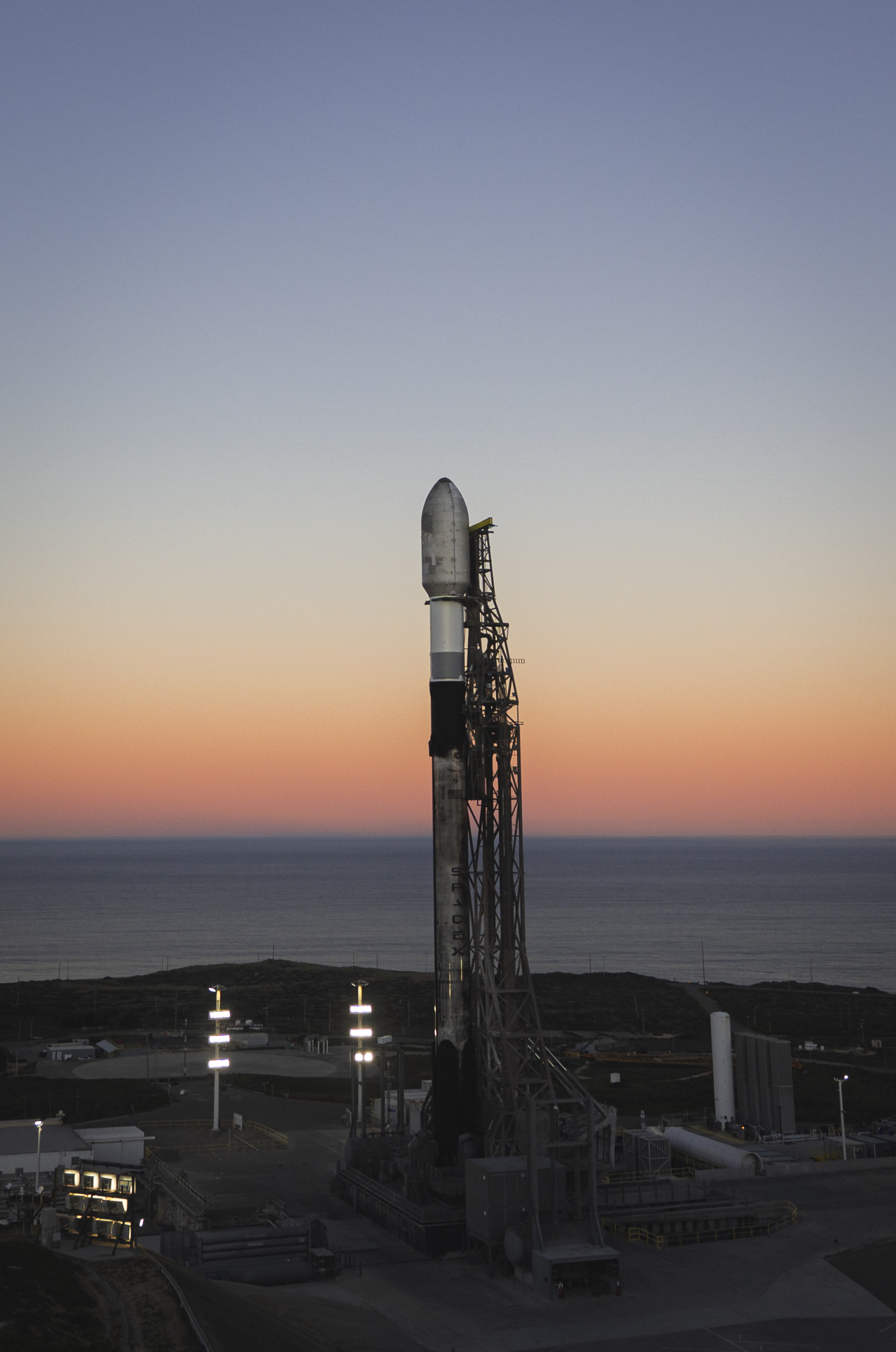
In short: it’s launch day on the West Coast — with Falcon 9 standing tall at Vandenberg, 140 spacecraft waiting patiently under the payload fairing, and a launch window ticking toward 10:19 a.m. PT. For space-tech fans, satellite teams, and anyone who’s interested in how access to orbit is evolving — this is one to watch.


Leave a comment