

Out on the remote sea ice near Iqaluit, Nunavut, where the landscape stretches into frozen solitude and traditional communication infrastructure simply doesn’t exist, Starlink’s satellite internet is proving to be much more than a convenience — it’s a lifeline. For dog sledders and hunters who spend days at a time on extended hunting expeditions, reliable communication with home and with emergency services has long been a daunting challenge. Now, thanks to Starlink’s high-speed, low-latency satellite internet, that isolation is being bridged in ways previously unimaginable.
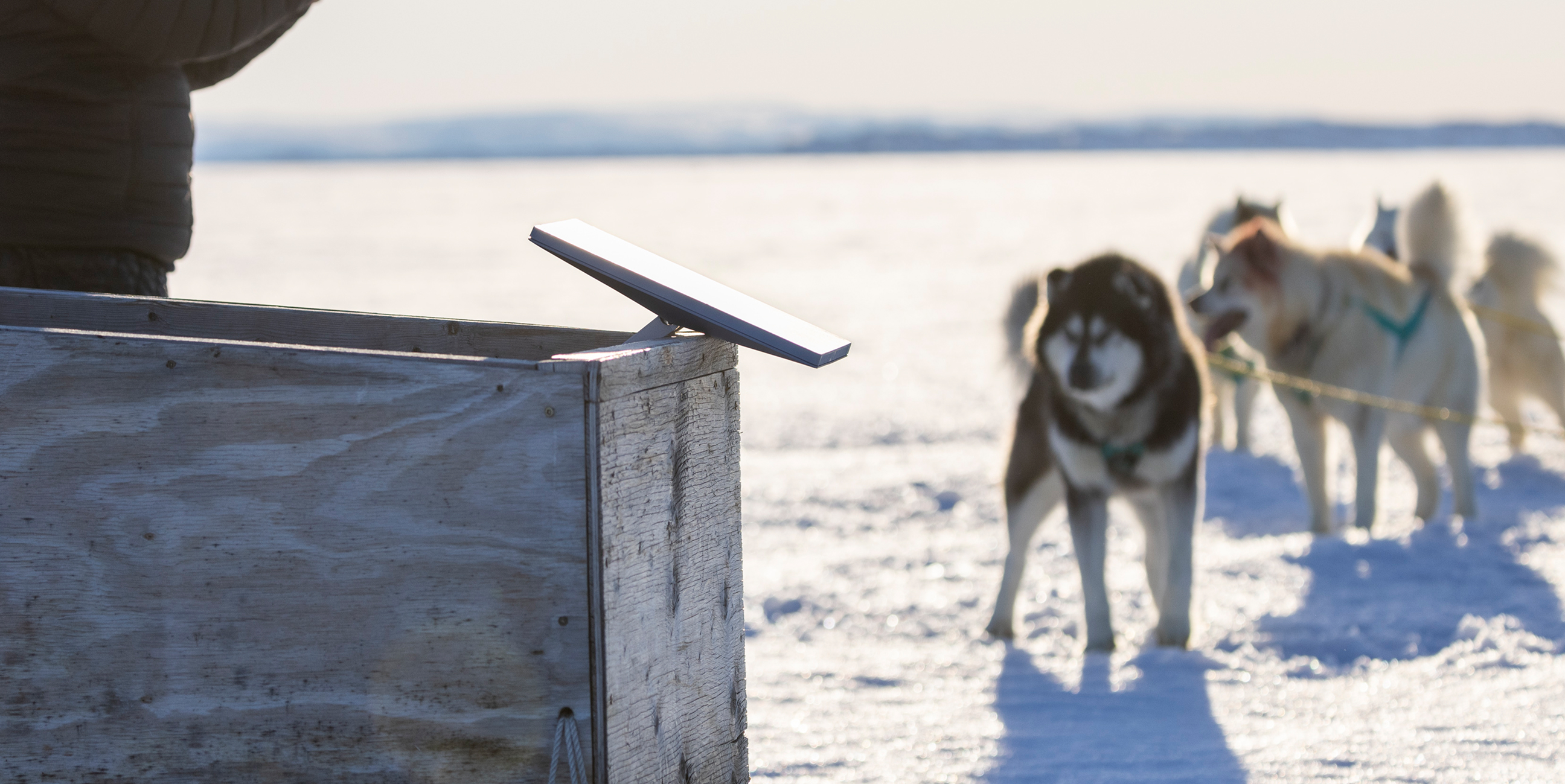
Syola — a resident of Iqaluit who travels with a dog sled team in the region locals call Nunataligaarjuk — describes the impact Starlink has had on life “out on the land.” She explains that the area is extremely isolated, and for years families heading out to hunt or work on the ice had little to no reliable way to communicate with relatives or emergency services. With Starlink, however, things have changed dramatically. She notes that when hunters find themselves stuck or in precarious situations, Starlink is often the only means they have to request help and stay safe. It’s portable, easy to set up — people can simply bring it along, hook it up, and get connected even in the heart of the Arctic.
This story highlights the broader role Starlink plays in Canada’s northern communities. Its low-Earth-orbit (LEO) satellite constellation enables connectivity in places where traditional broadband infrastructure — fiber networks or cellular towers — would be prohibitively expensive or technically difficult to deploy. In vast swaths of northern Canada, broadband has historically been limited or non-existent, leaving residents and travelers with few options. Starlink’s satellite-based model bypasses this limitation entirely, delivering internet directly from space to remote locations such as sea ice camps, fishing outposts, and rural hamlets.

Beyond connectivity for personal use, Starlink’s reliability in demanding conditions has real safety implications. In the Arctic or other remote regions, weather can shift rapidly and cell service can be absent for vast distances. Being able to send a message home, coordinate with helpers, or contact emergency responders isn’t a luxury — it’s a critical tool for survival. The fact that dog sledders and hunters like Syola regularly rely on Starlink during extended trips — including instances where it was the only communication method available — underscores how satellite connectivity can save lives and reduce risks in isolated environments.

Starlink’s story in Canada also reflects its broader growth. The service has been rapidly expanding in rural and northern regions, with hundreds of thousands of users already connected across the country. Its adaptability — from remote Arctic terrain to rural farms and wilderness retreats — showcases how low-Earth-orbit satellite networks are reshaping the way people stay connected, no matter where they live or travel.
As innovation continues and the satellite network grows, the experiences of dog sledders, hunters, reindeer herders, and other remote-area residents may become a defining example of how modern internet connectivity does more than just stream videos or send emails — it enhances safety, supports livelihoods, and strengthens social bonds in places where isolation once ruled.


Leave a comment