

Starlink Austrian Airlines Brings High-Speed Connectivity Above the Clouds
Staying connected while traveling is becoming an essential part of the modern flying experience. With Starlink Austrian Airlines connectivity now entering service, passengers can enjoy a faster and more reliable internet experience while flying above the clouds.
Austrian Airlines has officially started introducing Lufthansa Group Wi-Fi – powered by Starlink, bringing high-speed, low-latency satellite connectivity to its aircraft. The first Austrian Airlines aircraft equipped with the new system entered scheduled service on September 7, 2026, operating from Vienna to Porto.
The rollout represents an important step in the transformation of inflight connectivity. Instead of limiting onboard internet to basic messaging or simple web browsing, Starlink is designed to support more demanding activities such as video streaming, cloud-based work, social media, and other high-bandwidth applications.

Starlink Austrian Airlines Connectivity Takes Off
The introduction of Starlink at Austrian Airlines is part of a much larger Lufthansa Group connectivity program.
The Lufthansa Group is working with Starlink to equip approximately 850 aircraft across its airlines with high-speed Wi-Fi. The rollout began in 2026 and is planned to continue through 2029. Austrian Airlines is scheduled to receive Starlink technology across its Airbus A320 family and Boeing 787 Dreamliner aircraft.
The first Austrian aircraft to enter service with the technology is an Airbus A320neo. This marks the beginning of a broader fleet modernization program that will gradually expand Starlink connectivity to more passengers.
For travelers, this means the traditional idea of “being offline” during a flight is changing rapidly.
Fast and Reliable Internet at Cruising Altitude
One of the biggest advantages of Starlink Austrian Airlines connectivity is its emphasis on speed and low latency.
Austrian Airlines describes the new Lufthansa Group Wi-Fi as fast, stable, and low latency, with Starlink satellite technology providing the underlying connectivity. The service is designed to support activities ranging from messaging and web browsing to streaming and cloud-based work.
This is particularly important because passengers increasingly expect the same type of digital access in the air that they have on the ground.
During a flight, travelers may want to:
- Stream movies and TV shows
- Browse social media
- Send messages and emails
- Work with cloud-based applications
- Access online documents
- Browse the web
- Stay connected with friends and family
- Plan activities for their destination
Starlink's aviation network has already provided high-speed connectivity across more than 200,000 flights, demonstrating the technology's growing role in commercial aviation.

A Better Passenger Experience for Work and Entertainment
Reliable onboard connectivity can change how passengers use their flight time.
For business travelers, a stronger internet connection can make it easier to respond to emails, access cloud documents, communicate with colleagues, and complete online tasks during a flight.
For leisure travelers, faster Wi-Fi means more options for entertainment. Passengers can browse social platforms, watch online content, communicate with friends, or research their destination while traveling.
Austrian Airlines' new Starlink-powered service is designed to make these activities possible without the limitations traditionally associated with inflight internet. The airline specifically highlights streaming, browsing, messaging, and working as use cases for the new connectivity service.
This is a significant evolution from traditional inflight Wi-Fi, where limited bandwidth often meant that even basic online activities could be frustrating.
Free Wi-Fi Across Travel Classes
Another notable aspect of the Starlink Austrian Airlines rollout is its accessibility.
Lufthansa Group states that its Starlink-powered Wi-Fi is available free of charge to Miles & More customers and Travel ID users across travel classes. Austrian Airlines has similarly announced that its new high-speed internet service will be available free of charge for eligible Travel ID and Miles & More users across Economy, Business, and other travel classes.
This makes high-speed connectivity less of a premium add-on and more of an integrated part of the passenger experience.
Passengers equipped with compatible aircraft can connect through the Lufthansa Group Wi-Fi network after reaching cruising altitude. Austrian Airlines currently directs passengers to its onboard Wi-Fi portal for connection and login.
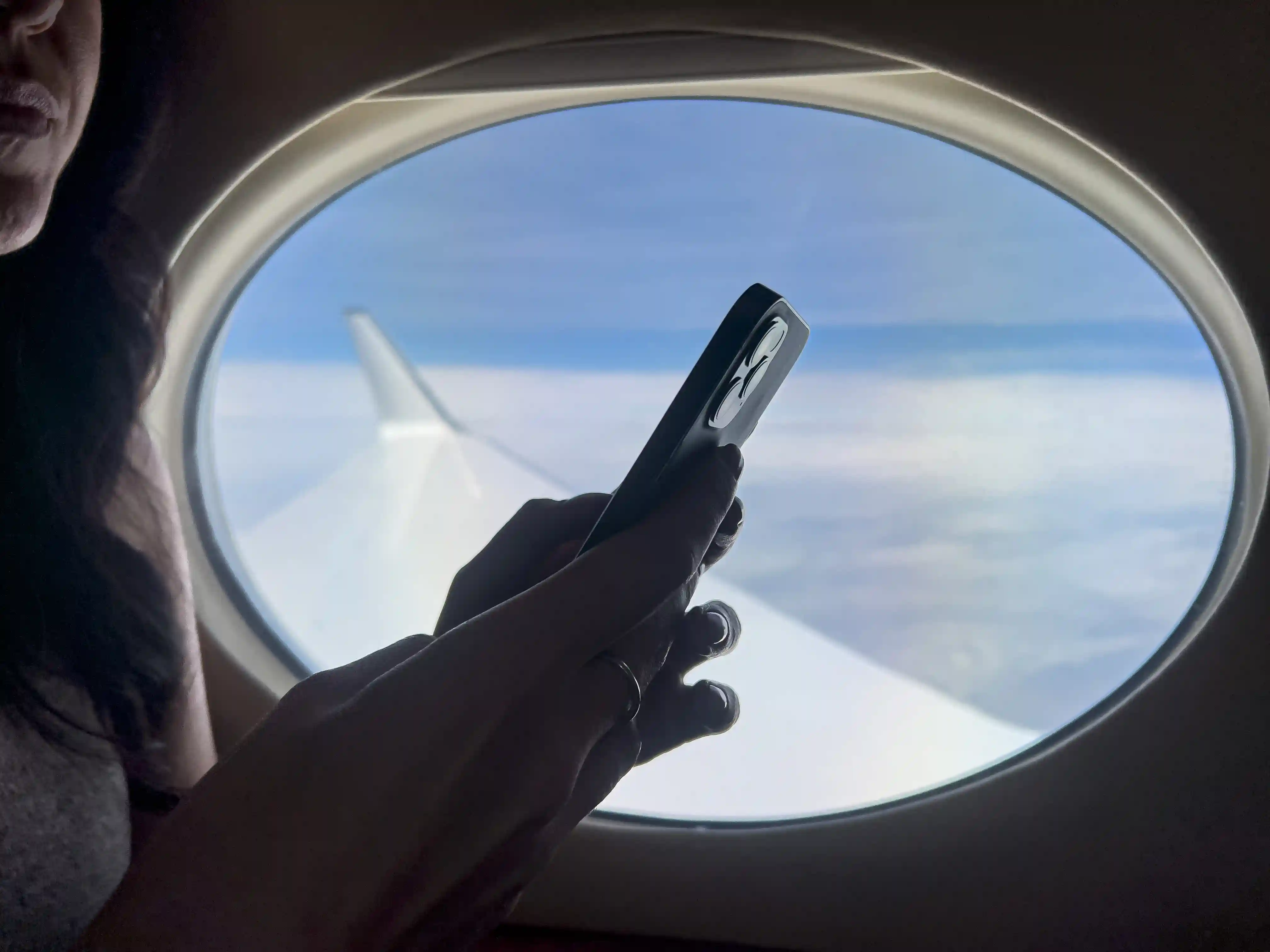
What Passengers Can Do With Starlink Wi-Fi
The new system is designed around everyday online activities rather than simply providing a basic messaging connection.
Streaming
High-speed connectivity can support video and entertainment streaming during flights. This gives passengers more freedom to watch content during long journeys rather than relying exclusively on downloaded entertainment.
Social Media
Travelers can browse social platforms, check updates, share messages, and stay connected with their communities while flying.
Messaging and Email
Messaging and email remain some of the most practical uses of onboard connectivity. Passengers can communicate with colleagues, friends, and family without waiting until landing.
Cloud-Based Work
The Lufthansa Group says its new Wi-Fi supports cloud-based working and other high-bandwidth applications. This can be particularly valuable for business travelers who need to remain productive while in transit.
Connectivity Designed for Modern Air Travel
The arrival of Starlink Austrian Airlines connectivity reflects a broader trend across the aviation industry.
Passengers increasingly expect connectivity to be available throughout their journey. Airports, aircraft, hotels, and destinations are all becoming part of one continuous digital experience.
Starlink's low-Earth-orbit satellite network is particularly suited to aviation because it is designed to provide high-speed connectivity with low latency. Starlink also states that its aviation network supports flights around the world, including areas over oceans and regions far from traditional ground infrastructure.
For airlines, this creates an opportunity to make Wi-Fi a standard component of the passenger experience rather than an optional luxury.
For passengers, it means the distinction between “online on the ground” and “offline in the air” is becoming less relevant.

Starlink's Growing Role in Commercial Aviation
Austrian Airlines is not an isolated case. Its Starlink deployment is part of Lufthansa Group's broader aviation connectivity strategy, which also includes Lufthansa, SWISS, Brussels Airlines, and other group carriers.
The Lufthansa Group announced that Starlink-powered Wi-Fi would progressively expand across its approximately 850 aircraft, with the full fleet rollout planned by 2029.
This large-scale deployment demonstrates how satellite connectivity is becoming an increasingly important technology for commercial airlines.
As more aircraft receive Starlink equipment, passengers can expect onboard internet to become faster, more consistent, and more capable of supporting modern online activities.
What This Means for the Future of Inflight Connectivity
The launch of Starlink Austrian Airlines Wi-Fi is more than a technology upgrade. It represents a shift in passenger expectations.
In the past, inflight internet was often viewed as a convenience for checking messages or sending a few emails. With newer satellite technologies, passengers can increasingly expect a connection capable of supporting streaming, cloud applications, browsing, and other bandwidth-intensive activities.
Austrian Airlines' rollout shows how airlines are responding to that demand.
As the Starlink installation program expands, more aircraft will offer a connected experience that feels increasingly similar to being online at home or in the office.
For passengers, the result is simple: more productive flights, better entertainment options, and fewer interruptions to everyday digital life.
A New Era of Connected Flying
The introduction of Starlink Austrian Airlines connectivity marks an important milestone for both Austrian Airlines and the broader Lufthansa Group.
With the first Starlink-equipped Austrian A320neo now operating scheduled flights, passengers are beginning to experience high-speed, low-latency internet in the air. The service is designed to support streaming, browsing, messaging, and cloud-based work while making connectivity available across travel classes for eligible users.
As more aircraft are upgraded through 2029, Starlink is positioned to become an increasingly visible part of the passenger experience across the Lufthansa Group.
The future of inflight connectivity is no longer simply about having Wi-Fi onboard. It is about providing an internet experience capable of keeping passengers connected, productive, and entertained throughout their journey.


Leave a comment