

SpaceX has officially delayed its upcoming Starlink Falcon 9 launch delay, now targeting Monday, April 6, 2026, due to unfavorable weather conditions in the upper atmosphere.
According to SpaceX, upper-level winds forced the schedule adjustment—a common but critical factor in ensuring launch safety and mission success.
The mission will launch from Vandenberg Space Force Base in California, continuing SpaceX’s rapid cadence of Starlink deployments.
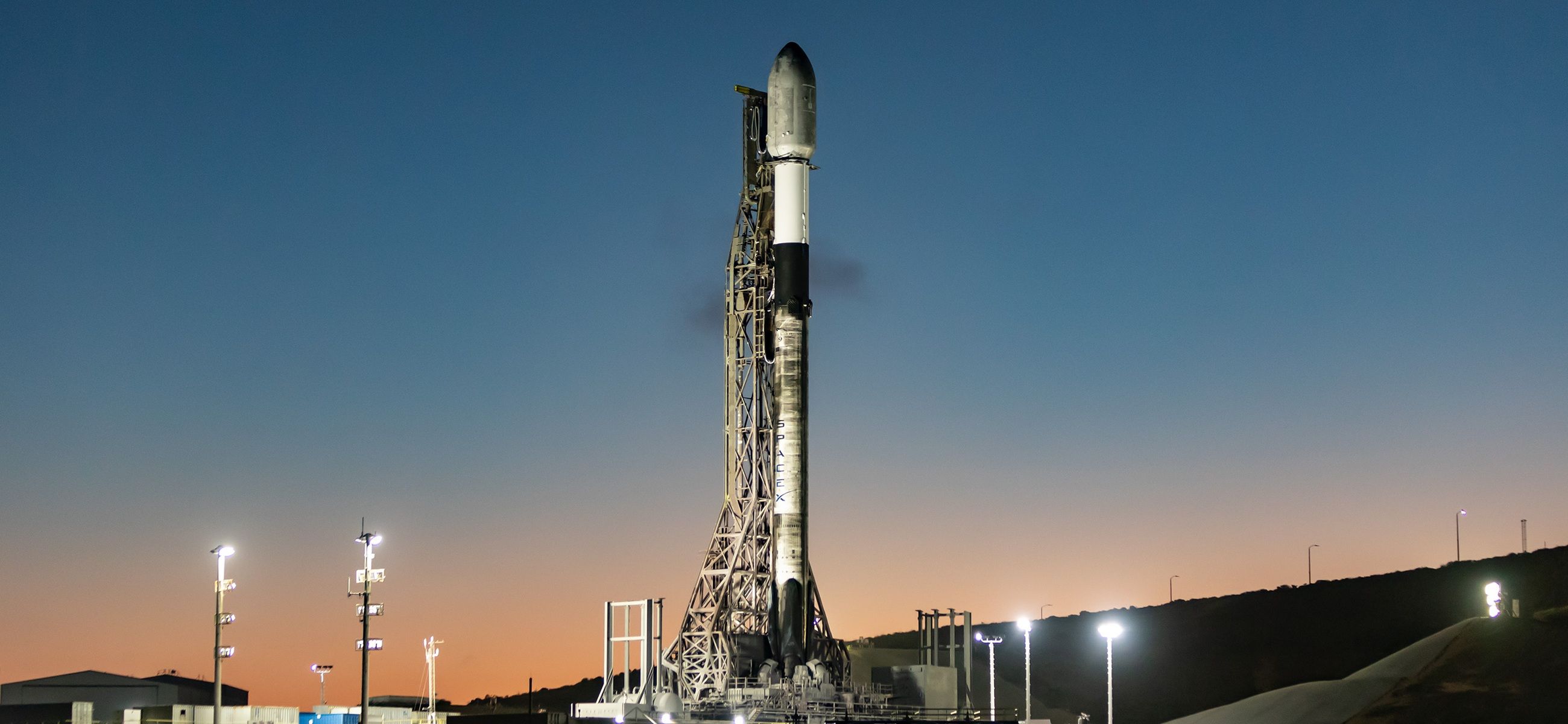
Why the Starlink Falcon 9 Launch Delay Happened
Weather plays a crucial role in rocket launches, especially conditions at high altitude.
In this case, the Starlink Falcon 9 launch delay was caused by:
- Strong upper-level winds
- Potential trajectory instability risks
- Safety concerns for rocket ascent
Upper-level winds can impact:
- Rocket structural stress
- Flight trajectory accuracy
- Booster landing precision
SpaceX frequently delays launches for these reasons, prioritizing mission reliability over schedule pressure.
Updated Launch Details
Here are the latest confirmed details for the mission:
- Rocket: Falcon 9
- Mission: Starlink satellite deployment
- New target date: April 6, 2026
- Launch site: Vandenberg Space Force Base, California
- Orbit: Low Earth Orbit (LEO)
The mission is expected to carry a batch of Starlink V2 Mini satellites, further expanding SpaceX’s global broadband network.

What This Means for the Starlink Network
Although the Starlink Falcon 9 launch delay may seem significant, the overall impact on the network is minimal.
SpaceX operates one of the most frequent launch schedules in the industry:
- Dozens of launches per year
- Thousands of satellites already in orbit
- Continuous deployment strategy
Each mission typically carries around 20–25 satellites, contributing to:
- Faster global internet speeds
- Expanded coverage in remote regions
- Improved latency and reliability
Even with delays, the long-term deployment timeline remains on track.
Launch Delays Are Normal in Spaceflight
The Starlink Falcon 9 launch delay highlights a fundamental reality of spaceflight—launch schedules are highly dynamic.
Common causes of delays include:
1. Weather Conditions
- Upper-level winds (this case)
- Lightning risks
- Cloud cover constraints
2. Technical Checks
- Rocket system verification
- Payload integration validation
3. Range Availability
- Airspace and maritime clearance
In fact, this mission has already seen multiple schedule adjustments before settling on the April 6 target.
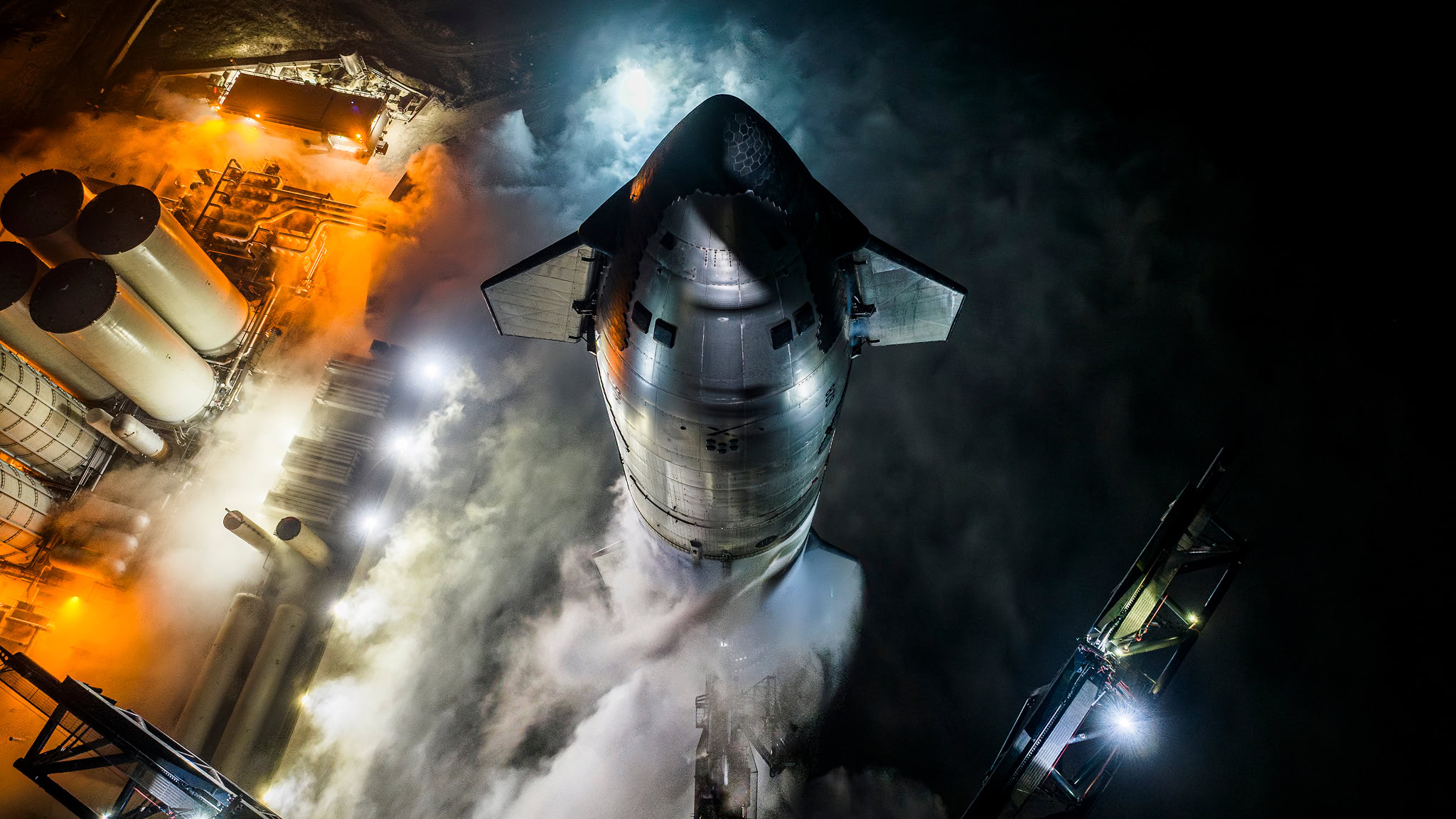
Falcon 9 Reusability and Mission Profile
Despite the delay, the mission will follow SpaceX’s standard Falcon 9 flight profile:
- Liftoff from California
- Stage separation ~2–3 minutes
- First-stage booster landing on droneship
- Satellite deployment ~1 hour after launch
Falcon 9’s reusable design allows:
- Reduced launch costs
- Faster turnaround between missions
- Increased launch frequency
This is a key reason why SpaceX can maintain flexibility even when delays occur.
Internal Link (SEO Optimization)
If you're interested in enhancing your Starlink setup for remote connectivity, explore:
👉 https://wxplink.com/
External Authority Source
For the official launch schedule and updates, visit:
👉 https://www.spacex.com/launches
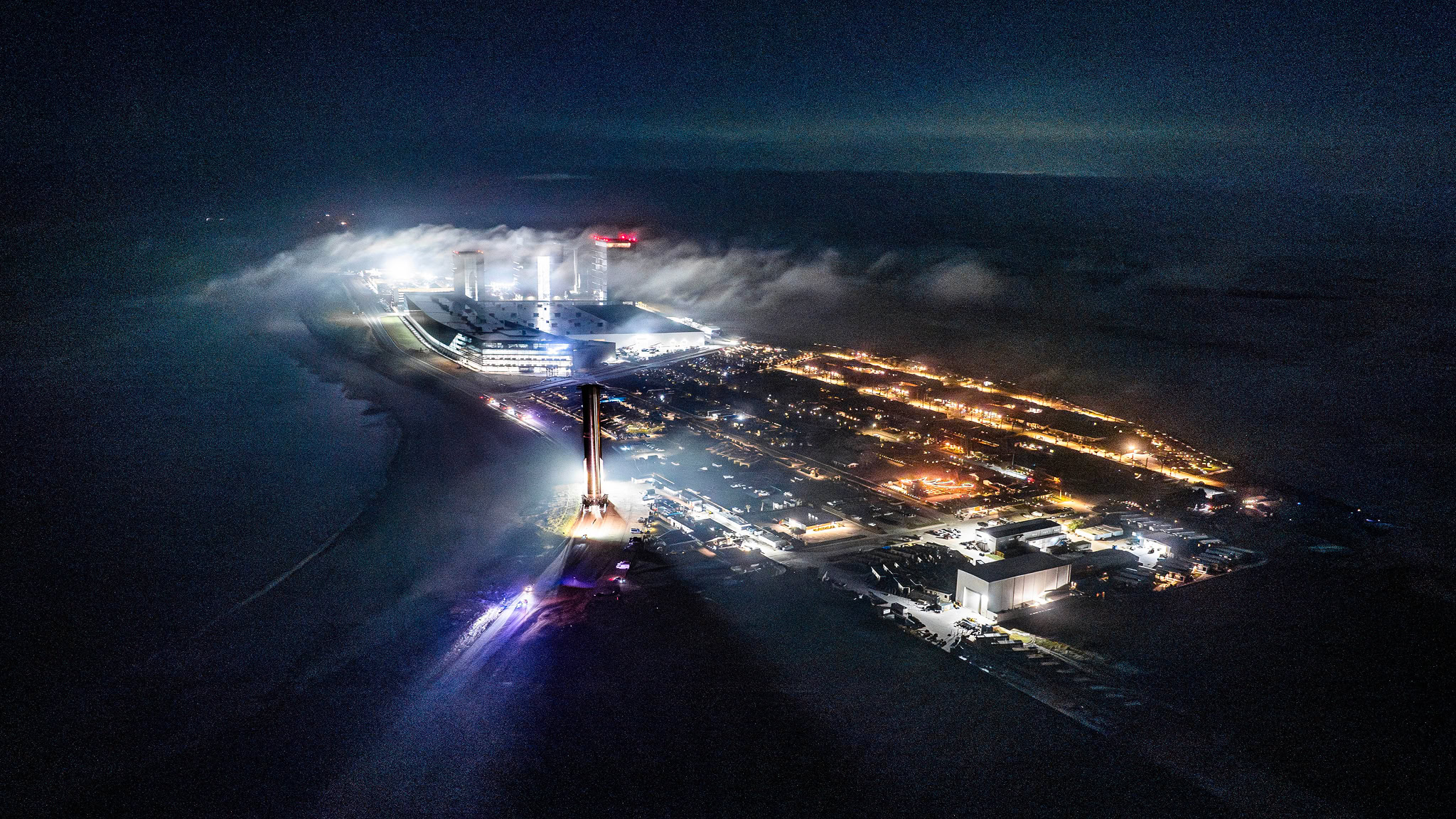
Broader Context: SpaceX’s Launch Cadence
The Starlink Falcon 9 launch delay does not slow SpaceX’s overall momentum.
In 2026 alone, SpaceX has already:
- Conducted dozens of successful launches
- Expanded the Starlink constellation significantly
- Maintained industry-leading launch frequency
Recent missions have deployed multiple batches of satellites from both U.S. coasts, demonstrating unmatched operational efficiency.
What to Expect Next
With the new target set for April 6, SpaceX will continue to monitor weather conditions closely.
Possible next steps include:
- Final weather clearance checks
- Countdown sequence initiation
- Real-time launch updates
If conditions improve, the launch will proceed as planned. Otherwise, further delays could occur—standard practice in the industry.
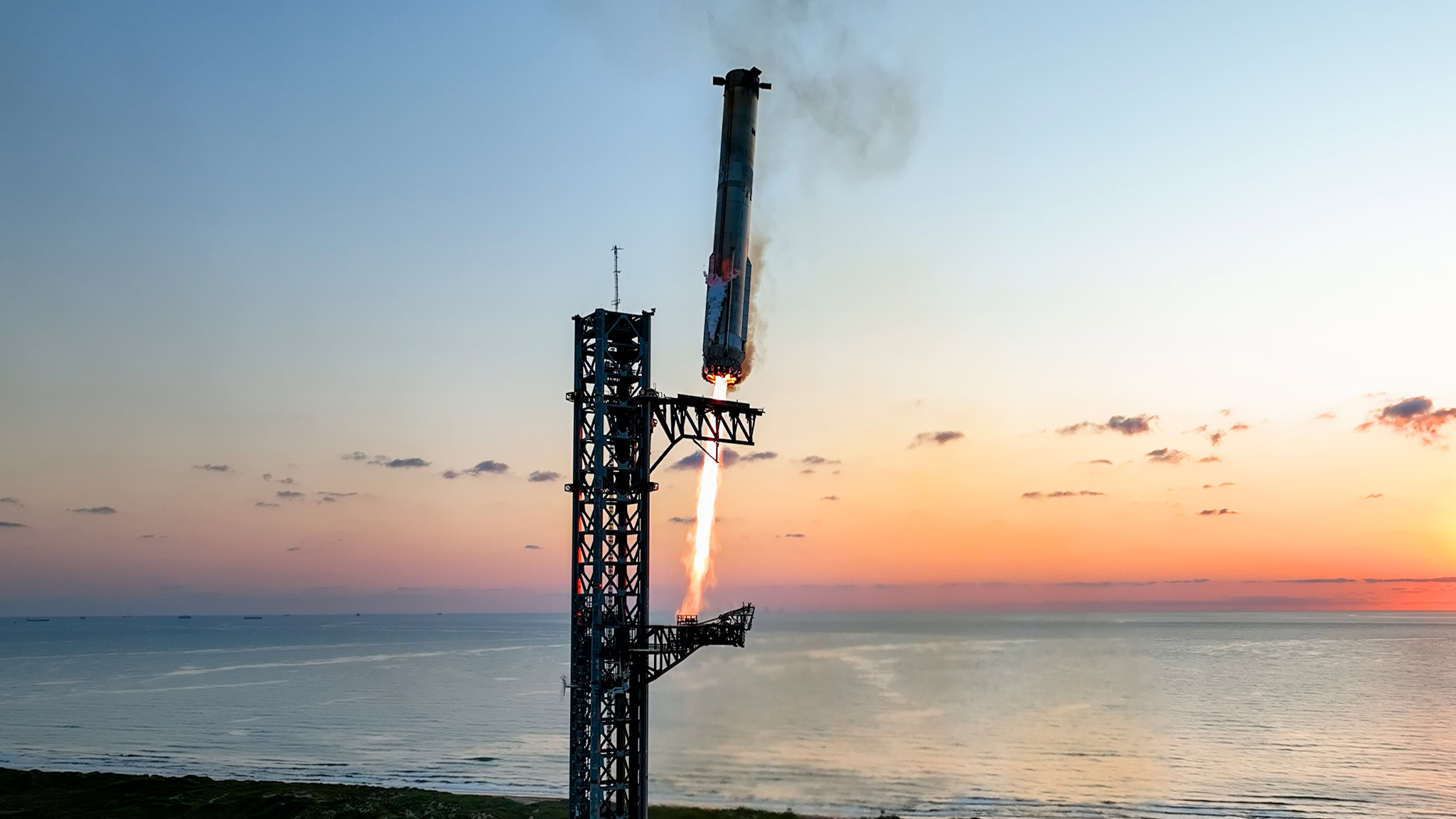
Conclusion
The Starlink Falcon 9 launch delay to April 6, 2026, underscores the importance of weather conditions in spaceflight operations.
While upper-level winds forced a schedule adjustment, the delay reflects SpaceX’s commitment to:
- Safety
- Precision
- Mission success
With thousands of satellites already deployed and a robust launch schedule, this minor delay will have no significant impact on Starlink’s global expansion.
As always, SpaceX remains ready to launch as soon as conditions allow.


Leave a comment