

Reliable mobile connectivity is essential for modern communication, yet vast rural and remote regions still remain outside the reach of conventional cellular networks. The Starlink Mobile Mongolia initiative aims to change that by bringing direct-to-cell satellite connectivity to customers across Mongolia through a partnership between SpaceX and GMobile LLC.
The new service will allow compatible smartphones to connect directly to Starlink satellites in areas where traditional mobile coverage is unavailable. Designed to support people living and working in Mongolia's expansive landscapes—including herders, miners, and field workers—the service enables messaging and app-based communication without requiring specialized satellite phones.
As one of the world's least densely populated countries, Mongolia presents unique connectivity challenges. The Starlink Mobile Mongolia rollout demonstrates how satellite technology can extend communication services far beyond the limits of terrestrial cellular infrastructure.

Why Starlink Mobile Mongolia Is Important
Mongolia covers more than 1.5 million square kilometers, with much of its population living in rural or sparsely populated areas.
Many people work in locations where mobile towers are difficult or uneconomical to build, including:
- Livestock grazing regions
- Mining operations
- Mountain communities
- Desert landscapes
- Remote transportation routes
Traditional mobile networks cannot economically reach every location.
The Starlink Mobile Mongolia service addresses this challenge by using low-Earth-orbit satellites as mobile base stations, extending communication into previously uncovered areas.
How Starlink Mobile Works
Unlike traditional satellite phones, Starlink Mobile is designed to work with compatible LTE smartphones.
The service allows devices to communicate directly with satellites whenever terrestrial mobile coverage is unavailable.
The Starlink Mobile Mongolia system is designed to:
- Extend mobile coverage
- Enable messaging
- Support compatible communication apps
- Improve connectivity in remote areas
Because the technology integrates with existing mobile operators, customers can continue using familiar mobile devices instead of purchasing specialized satellite equipment.
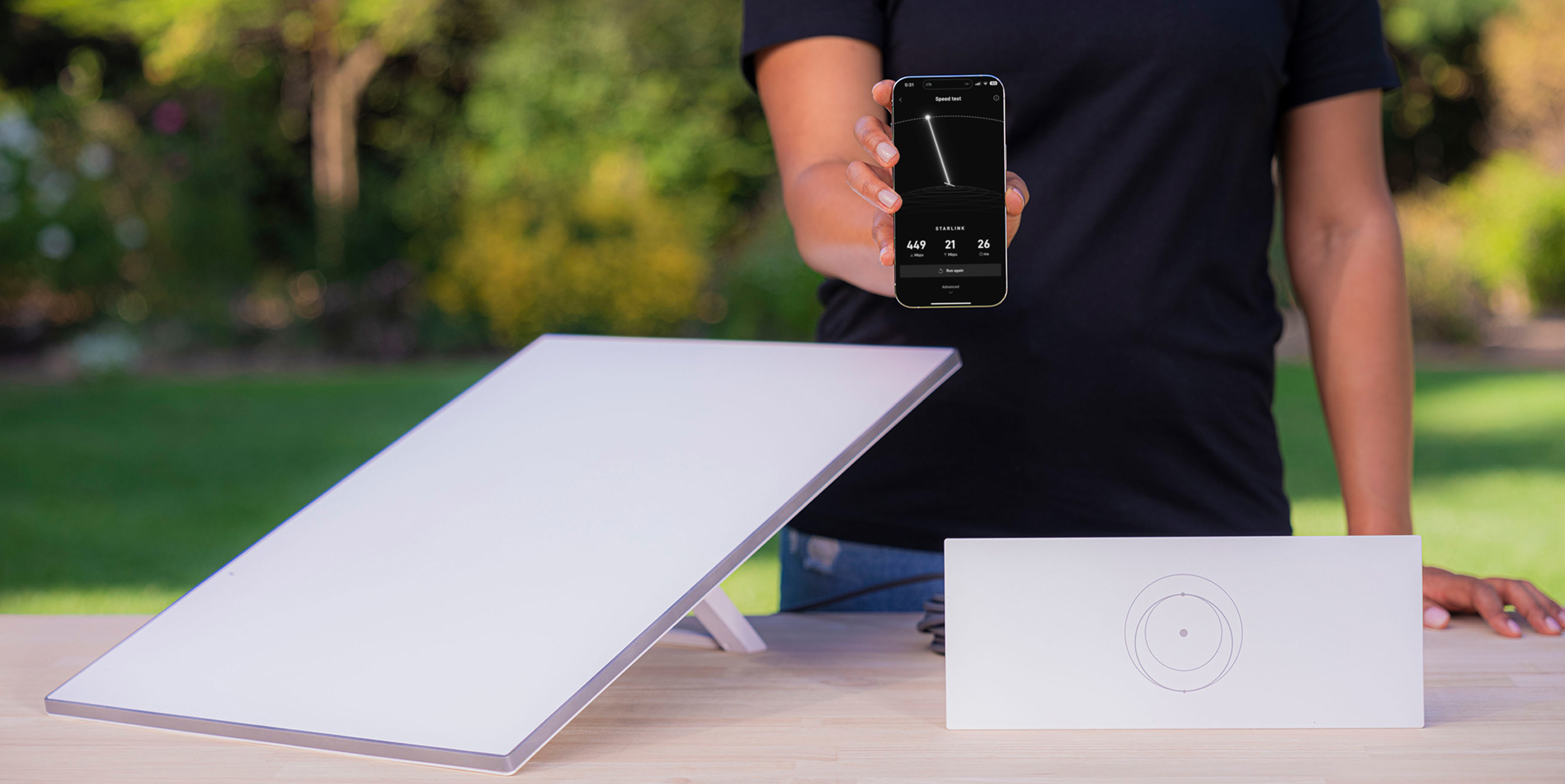
Supporting Mongolia's Remote Workforce
One of the primary goals of the Starlink Mobile Mongolia partnership is to improve communication for people whose work takes them far from cities.
Herders
Mongolia's traditional herding communities often spend long periods in remote grasslands where cellular service is limited.
Satellite connectivity helps them remain in contact with family members and business partners.
Mining Operations
Mining sites are frequently located in isolated regions.
Reliable communication supports:
- Worker safety
- Operational coordination
- Emergency communication
- Field management
Field Workers
Researchers, engineers, environmental specialists, and infrastructure teams working in remote environments can benefit from improved communication while traveling outside conventional network coverage.
The Starlink Mobile Mongolia initiative creates new opportunities for reliable communication across multiple industries.
Advantages of Direct-to-Cell Technology
Direct-to-cell satellite communication represents a major advancement in mobile connectivity.
Key benefits include:
- No dedicated satellite phone required
- Works with compatible LTE smartphones
- Expanded coverage beyond traditional networks
- Greater communication resilience
- Improved access in remote regions
Rather than replacing existing cellular networks, Starlink Mobile Mongolia complements them by filling coverage gaps where terrestrial infrastructure is unavailable.
This approach creates a more continuous mobile experience for customers.

Improving Safety in Remote Areas
Reliable communication is especially valuable in isolated environments.
Satellite connectivity can help users:
- Contact emergency services
- Coordinate field activities
- Report incidents
- Receive important updates
- Stay connected with colleagues and family
For industries operating in challenging terrain, the Starlink Mobile Mongolia deployment supports safer daily operations by reducing communication gaps.
The Future of Mobile Connectivity
Direct-to-cell satellite technology is becoming an increasingly important part of the global telecommunications industry.
As more mobile operators partner with Starlink, users may experience:
- Wider mobile coverage
- More reliable messaging
- Improved emergency communications
- Better connectivity in rural regions
The Starlink Mobile Mongolia initiative reflects a broader trend toward integrating satellite and terrestrial mobile networks to provide more comprehensive communication services.

Expanding Digital Inclusion Across Mongolia
Reliable communication is no longer limited to urban centers.
With satellite-powered mobile connectivity, people living and working in Mongolia's most remote regions can gain access to essential communication tools that support education, business, healthcare, and public safety.
The Starlink Mobile Mongolia project demonstrates how innovative satellite technology can reduce connectivity gaps while creating new opportunities for economic development and digital inclusion.
As direct-to-cell services continue expanding worldwide, Mongolia is becoming one of the latest countries to benefit from next-generation satellite communications.
For Starlink installation solutions and accessories, visit: https://wxplink.com
For official Starlink information, visit: https://www.starlink.com


Leave a comment