

In the rapidly evolving energy sector, reliable connectivity has become a critical component of operational efficiency. This is especially true in remote oilfield environments, where infrastructure limitations can significantly impact performance. A compelling example of this transformation is the adoption of Starlink oilfield connectivity by Heirs Energies, one of Africa’s leading indigenous energy companies.
Founded in 2021 and headquartered in Lagos, Nigeria, Heirs Energies has quickly become a major player in the country’s oil and gas sector, managing approximately 5% of Nigeria’s oil production . However, operating in the Niger Delta presents unique challenges—particularly in maintaining stable, high-speed internet for real-time monitoring of oil wells.
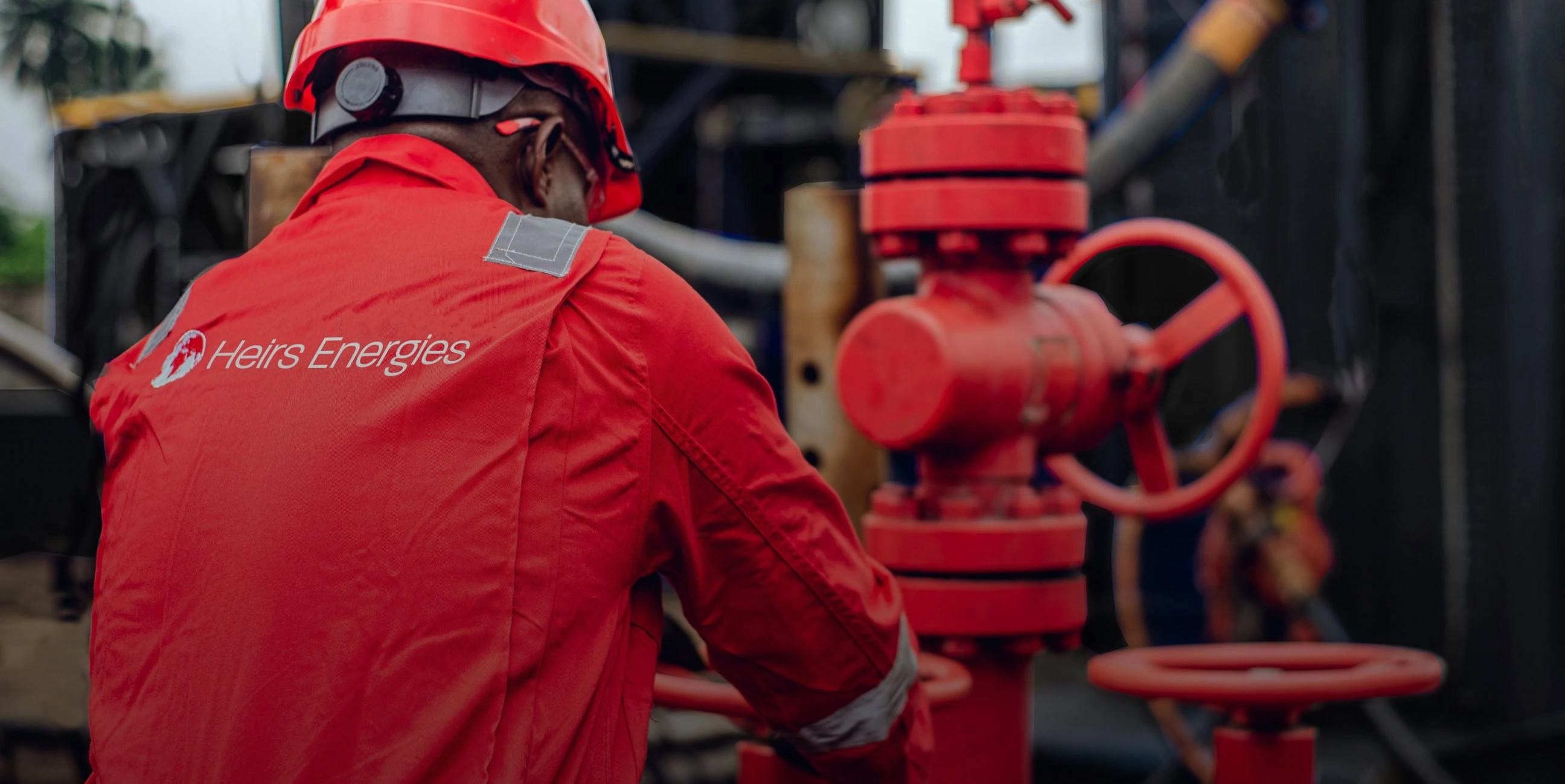
The Challenge: Unstable Connectivity in Remote Oilfields
Oilfield operations in the Niger Delta are often located in remote and difficult-to-access regions. Traditionally, these sites relied on LTE networks and manual monitoring systems.
However, these legacy solutions proved inadequate due to:
- Limited network coverage
- Frequent signal interruptions
- High operational costs for manual inspections
- Delayed data transmission affecting decision-making
These issues are not uncommon across Nigeria’s oil sector, where infrastructure gaps and environmental challenges complicate operations .
For Heirs Energies, the inability to maintain consistent connectivity directly impacted:
- Real-time monitoring of well performance
- Equipment diagnostics and maintenance
- Operational efficiency and uptime
The Solution: Starlink Oilfield Connectivity + Solar IoT System
To address these challenges, Heirs Energies partnered with Redtech to deploy a next-generation solution built around Starlink oilfield connectivity.
This solution integrates three core components:
1. Starlink Satellite Internet
By leveraging Starlink’s low-Earth orbit satellite network, Heirs Energies gained access to:
- High-speed internet in remote locations
- Low-latency data transmission
- Reliable connectivity independent of terrestrial infrastructure
2. Solar-Powered Energy System
Given the lack of stable power infrastructure, the solution includes:
- High-efficiency solar generation
- Intelligent energy management systems
- Battery optimization for continuous operation
3. IoT-Based Remote Monitoring
The system enables full digital control of oilfield assets, allowing operators to:
- Monitor wellhead performance in real time
- Analyze system health and diagnostics
- Automate responses to operational anomalies
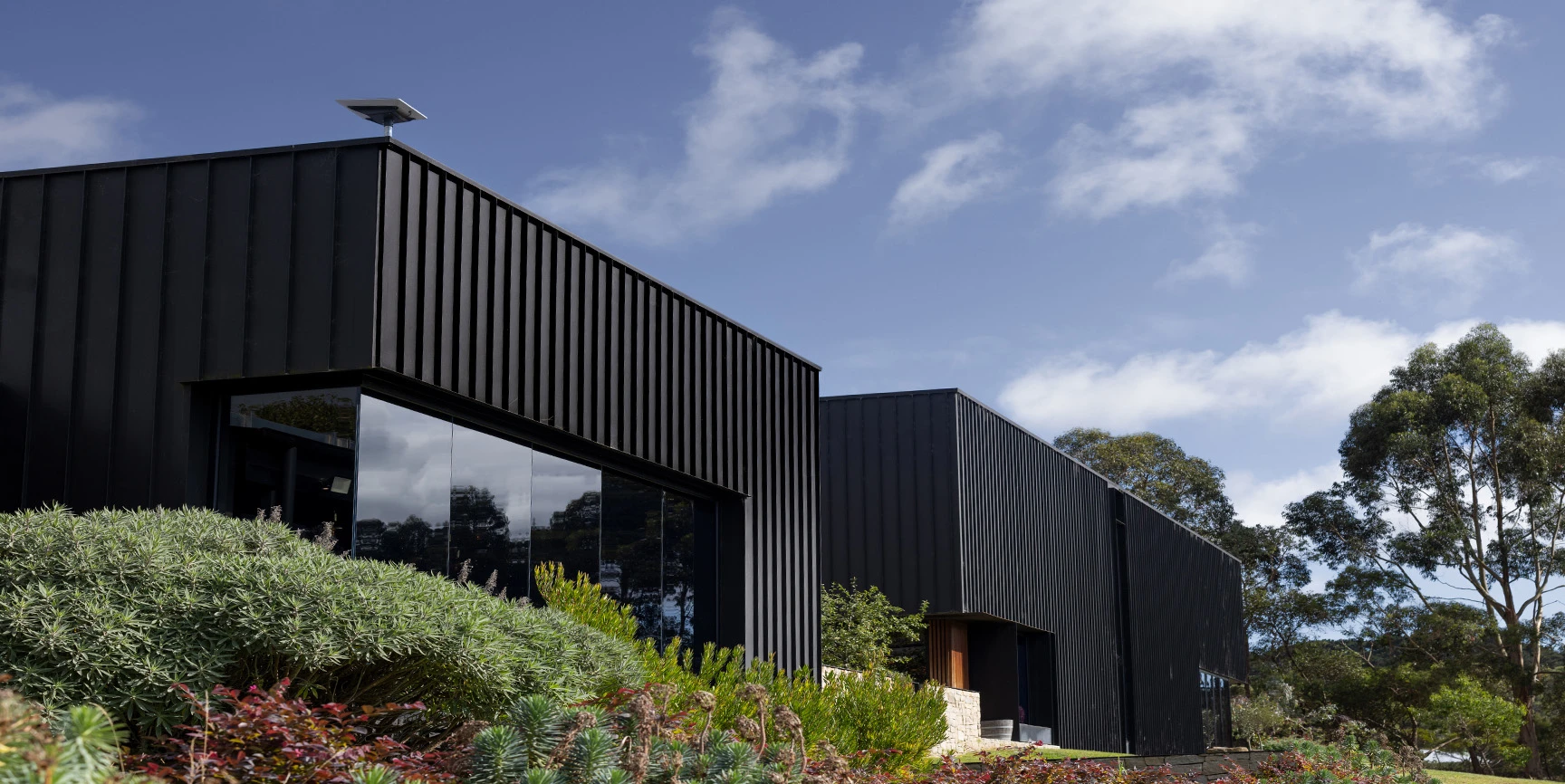
Starlink Oilfield Connectivity in Action
The deployment was carried out across 21 wellhead locations, implemented in phased stages to ensure scalability and reliability.
Each site was equipped with:
- Standard Starlink kits
- IoT monitoring devices
- Autonomous power systems
As a result, 90% of total site traffic is now routed through Starlink, demonstrating its effectiveness as the primary connectivity solution.
This transformation enabled several critical capabilities:
Continuous Monitoring
Using Starlink APIs, operators can track:
- Terminal health
- Signal quality
- Data usage
- System uptime
Remote Diagnostics and Control
Administrators can:
- Reboot systems remotely
- Perform diagnostics without on-site visits
- Resolve issues proactively
Load Balancing and Failover
The system intelligently prioritizes Starlink and router loads, ensuring stability during:
- Battery depletion scenarios
- Power fluctuations
- Network interruptions

Operational Impact and Business Value
The adoption of Starlink oilfield connectivity has delivered measurable improvements across Heirs Energies’ operations.
1. Increased Uptime
Communication systems now operate with significantly improved reliability, reducing downtime and operational disruptions.
2. Cost Reduction
By eliminating the need for frequent manual inspections, the company has reduced:
- Field visit costs
- Maintenance overhead
- Operational risks
3. Enhanced Data-Driven Decision Making
Real-time data access allows for:
- Faster response to issues
- Predictive maintenance
- Optimized production performance

Why Starlink is a Game-Changer for Oil & Gas
The success of this deployment highlights a broader trend: satellite internet is becoming a critical enabler for digital oilfields.
Traditional connectivity solutions struggle in remote environments, but Starlink offers:
- Infrastructure-independent deployment
- Rapid scalability
- Consistent performance across challenging terrains
This is particularly relevant in regions like the Niger Delta, where infrastructure limitations have historically hindered operational efficiency.
The Future of Starlink Oilfield Connectivity
As digital transformation accelerates in the energy sector, solutions like Starlink will play an increasingly important role.
Future developments may include:
- Fully autonomous oilfield operations
- AI-driven predictive analytics
- Expanded IoT ecosystems
- Integration with smart energy grids
For companies operating in remote or infrastructure-limited regions, Starlink oilfield connectivity represents not just a solution—but a strategic advantage.

Conclusion
The Heirs Energies case demonstrates how Starlink oilfield connectivity can overcome one of the most persistent challenges in the oil and gas industry: reliable communication in remote environments.
By combining satellite internet, solar energy, and IoT technology, the company has successfully transformed its operations—achieving real-time monitoring, improved uptime, and greater operational efficiency.
As more energy companies adopt similar solutions, Starlink is set to become a foundational technology in the future of digital oilfields.


Leave a comment