

The SpaceX Stargaze SSA system represents a significant advancement in space traffic management by providing real-time space situational awareness data and free conjunction screening to satellite operators around the world. SpaceX has developed this novel Space Situational Awareness (SSA) platform in response to rising risks in low Earth orbit (LEO), where increasing congestion and unpredictable satellite maneuvers heighten the chance of close approaches and potential collisions.
As space becomes more densely populated with thousands of active satellites, rocket bodies, and orbital debris, traditional ground-based tracking systems struggle to provide the frequency and accuracy of observations necessary to maintain safety. The Stargaze SSA system leverages data collected from SpaceX’s expansive satellite fleet to generate accurate orbit predictions and identify potential conjunctions in near real time, offering a powerful tool to improve the sustainability of space operations.
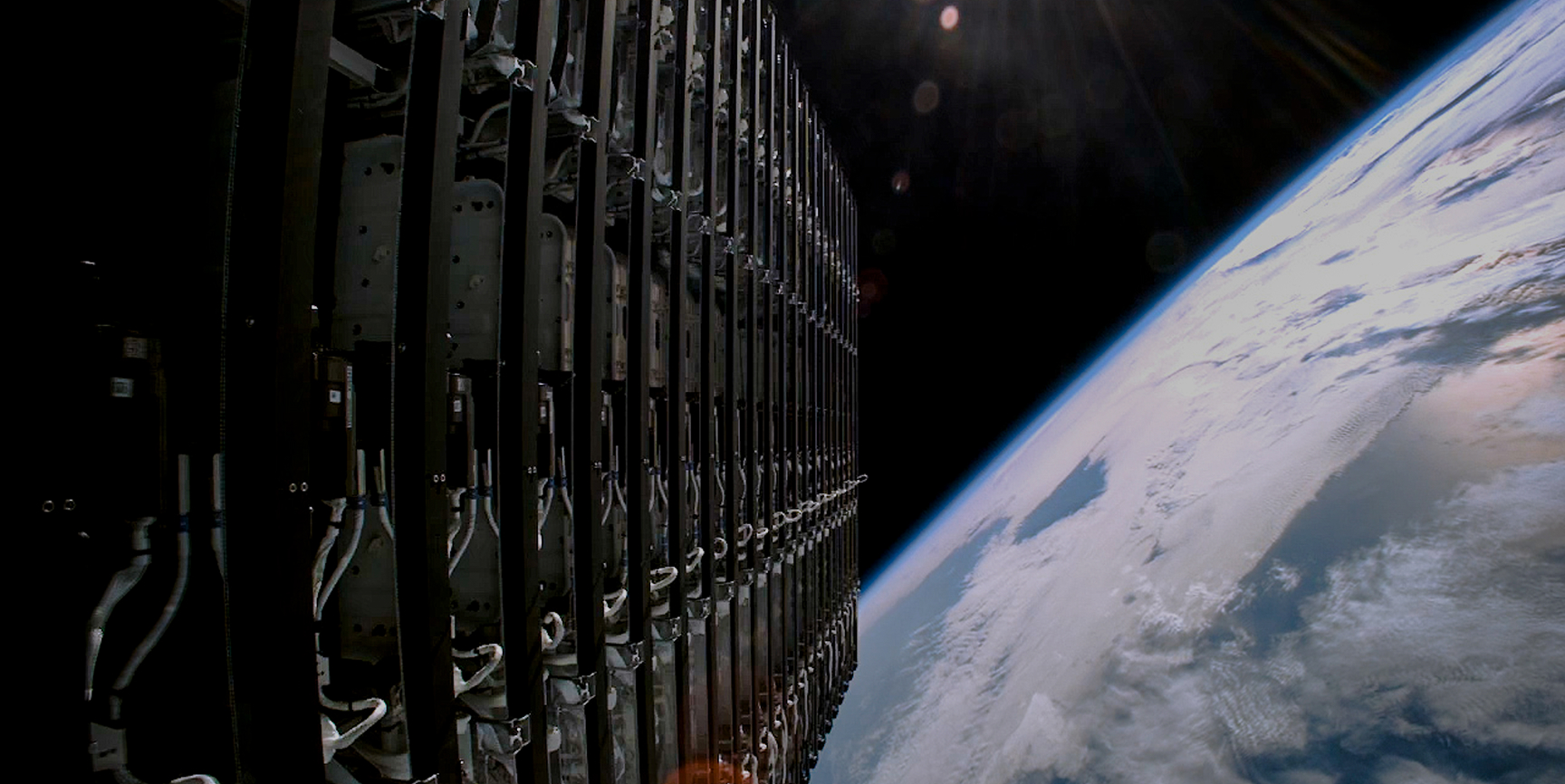
What Is the SpaceX Stargaze SSA System?
The core of the SpaceX Stargaze SSA system is its use of onboard star trackers — sensors designed to determine spacecraft orientation by observing star patterns — installed on nearly 30,000 spacecraft transits every day across the Starlink constellation. These star trackers detect nearby objects, including other satellites and debris, generating roughly 30 million observed transits daily. The system then aggregates this information to produce accurate orbit estimates and predictive models of position and velocity for detected objects.
By integrating these observations into a space-traffic management platform, Stargaze can identify close approaches between orbital objects and generate Conjunction Data Messages (CDMs) that warn satellite operators of potential risks. Unlike conventional SSA systems that may only update estimates several times a day, Stargaze delivers these predictions within minutes, offering operators a much more responsive means of assessing collision risk and planning avoidance maneuvers.
Why This Matters: The Collision Risk Challenge in LEO
Low Earth orbit has become increasingly crowded due to the rapid growth of satellite constellations, commercial spacecraft, and legacy debris from decades of launches. According to industry analyses, more than 14,000 active satellites and a significant number of inactive spacecraft currently orbit Earth, making collision avoidance a priority for sustainable space operations.
Traditional ground-based radar and optical tracking systems are limited in both coverage and update frequency, often observing objects only a few times per day. This constraint can lead to significant uncertainties in orbital predictions, especially when satellites perform unannounced maneuvers or when space weather affects orbital trajectories. Stargaze addresses these limitations by dramatically increasing detection capability through continuous observations made from multiple star trackers across the Starlink fleet.
Open Access and Industry Collaboration
One of the most notable aspects of the SpaceX Stargaze SSA system is SpaceX’s decision to make conjunction data available free of charge to all satellite operators who share their ephemeris — the predicted orbital path of their spacecraft — with the platform. This policy aims to encourage broader participation in data sharing and help establish a new standard for safe flight practices in orbit.
Operators that contribute their trajectory predictions to the Stargaze platform will receive CDMs that integrate not only SpaceX’s observations but also ephemeris data from other participating operators. This feature ensures that operators have access to low-latency, high-accuracy data essential for collision assessment and avoidance planning. Such collaboration can help reduce the overall risk of orbital conjunctions, benefiting both large constellations and smaller satellite operators alike.
Real-World Application and Demonstrated Utility
Stargaze has already demonstrated its utility in improving space situational awareness through real-world events. In late 2025, a Starlink satellite encountered a close approach with a third-party satellite that had maneuvered without sharing its ephemeris. Initially, the predicted miss distance was considered a safe separation; however, a last-minute maneuver drastically reduced that distance, increasing the risk of collision. Stargaze quickly detected the unexpected change, updated its trajectory predictions, and generated new CDMs. With this information shared promptly, the Starlink satellite could perform an avoidance maneuver within an hour, effectively mitigating a potential collision.
Such rapid detection and response would be difficult — if not impossible — using conventional ground-based tracking systems, which may take several hours to update orbit estimates and alert operators. By shortening this response window, Stargaze helps operators protect assets, plan safer missions, and contribute to a more resilient orbital environment.

Encouraging a Culture of Ephemeris Sharing and Safe Flight
While Stargaze significantly improves collision prediction and screening capabilities, SpaceX emphasizes that the best source of orbital trajectory data remains operator-provided ephemeris. Accurate ephemeris data shared frequently — especially for satellites capable of maneuvering — enhances the overall quality of conjunction assessments and reduces the need for avoidance maneuvers that consume limited propellant and resources.
In making Stargaze’s data free to operators willing to share their own predictions, SpaceX hopes to motivate the broader satellite industry to adopt similar practices, ultimately creating a more cooperative and transparent spaceflight ecosystem. The ultimate goal is a safer environment where all operators — regardless of size — can benefit from improved awareness and avoid preventable collisions.
Looking Ahead: A Safer Future for Orbital Operations
The launch of the SpaceX Stargaze SSA system marks a pivotal moment in space traffic management, offering a new tool that complements existing civil and military tracking systems. By combining real-time observations with collaborative data sharing, Stargaze enhances the collective ability to anticipate and avoid orbital conjunctions — a capability that will grow increasingly important as more satellites and spacecraft populate Earth’s orbit.
As Stargaze rolls out to a wider group of operators this spring, its potential to improve space safety and sustainability becomes clearer. With access to timely, accurate conjunction data, operators can make better-informed decisions, minimize collision risks, and contribute to a healthier orbital environment for future missions.


Leave a comment