

In a major move for global aviation, Starlink free in‑flight internet is set to transform passenger connectivity across the Lufthansa Group fleet. Under a landmark collaboration between the Lufthansa Group and Starlink (SpaceX’s satellite broadband service), high‑speed internet access will be installed on approximately 850 aircraft, making this initiative one of the broadest in‑flight connectivity rollouts globally.
This partnership will allow passengers flying with carriers under the Lufthansa Group umbrella — including Lufthansa, Swiss, Austrian Airlines, Brussels Airlines, Edelweiss, Discover Airlines, and others — to access high‑bandwidth internet for streaming, cloud‑based work, video calls, and other online activities throughout their journey.

What Is Starlink Free In‑Flight Internet?
The concept of Starlink free in‑flight internet refers to satellite broadband provided by Starlink’s constellation of low Earth orbit (LEO) satellites. Unlike traditional inflight Wi‑Fi systems that rely on slower geostationary satellites or sporadic ground‑based links, Starlink’s LEO network delivers higher bandwidth and lower latency, making it possible for passengers to enjoy an internet experience on par with many ground‑based broadband connections.
The connectivity upgrade is planned to begin as early as the second half of 2026, with the full fleet equipped by 2029. Both existing aircraft and new deliveries will receive the necessary Starlink hardware.
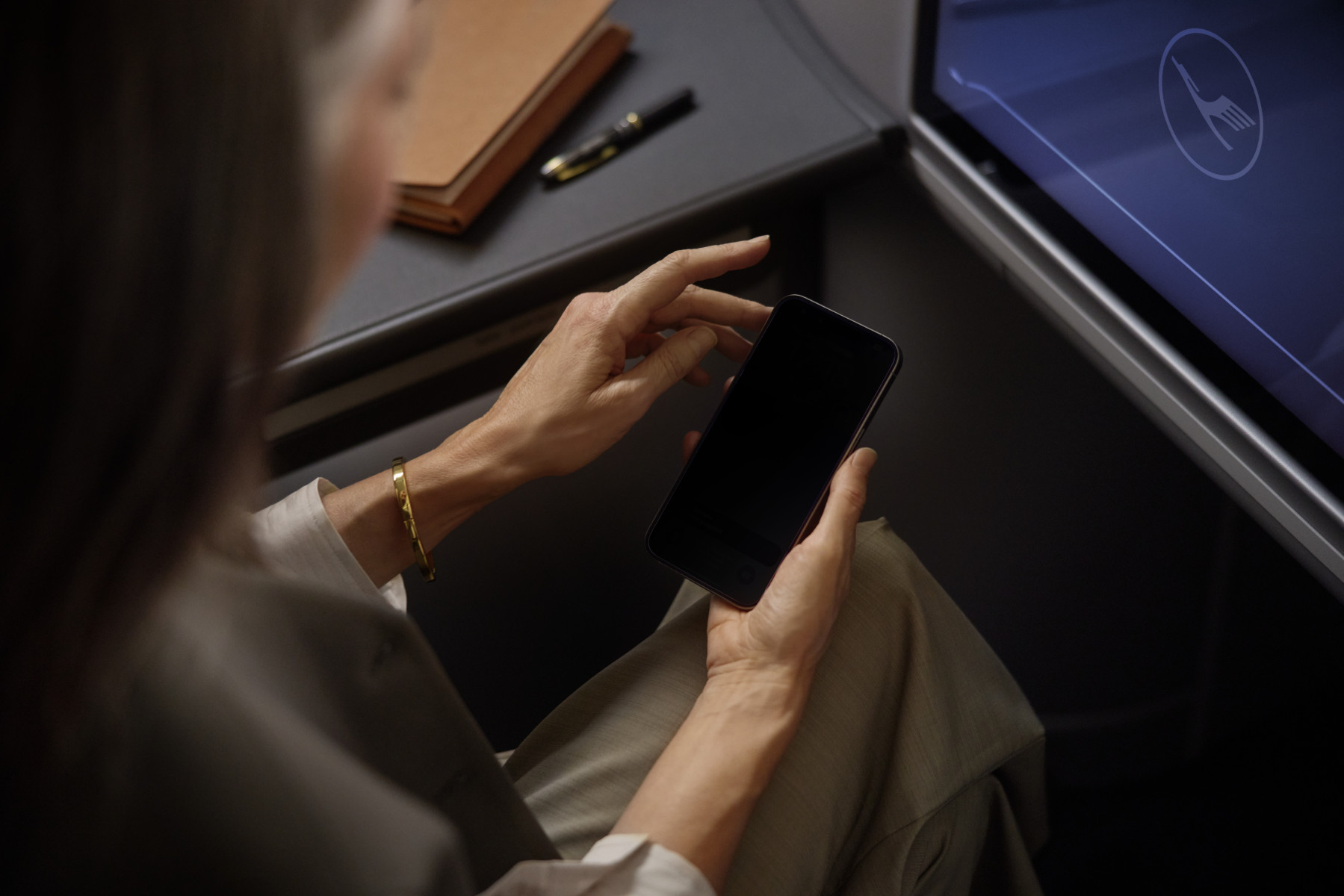
What This Means for Passengers
Once deployed, Starlink free in‑flight internet will be offered free of charge to all status customers and Travel ID users across all travel classes, enhancing the travel experience without imposing extra fees. This benefit underscores Lufthansa Group’s commitment to improving the passenger experience through digital innovation.
Passengers will be able to stream movies and TV shows, stay connected on social media, work from the sky using cloud applications, and communicate with family or colleagues during flights — features that are becoming increasingly expected by modern travelers. The enhanced service is designed to feel more like high‑speed broadband at home than traditional inflight Wi‑Fi, even over oceans or remote flight paths.

Why the Collaboration Matters
The adoption of Starlink free in‑flight internet reflects a broader trend in the airline industry toward embracing modern satellite technologies to meet rising expectations. As travelers increasingly treat inflight connectivity as a necessity rather than a luxury, airlines are moving away from legacy systems toward next‑generation broadband solutions like Starlink’s LEO network, which can better support data‑intensive applications and deliver more consistent performance.
For the Lufthansa Group, this rollout comes during its 100th anniversary year, marking a symbolic milestone in both the airline’s history and its future vision. Executives have framed the partnership as a strategic investment in premium passenger service, aligning with other product and service innovations rolled out across the airline’s global network.

Phased Rollout and Future Prospects
The phased introduction of Starlink will start later in 2026 and continue through 2029, with carrier‑by‑carrier upgrades tailored to aircraft types and routes. Brussels Airlines, for example, is expected to be among the airlines benefiting early in the program, beginning with its Airbus A320 family aircraft before expanding to other long‑haul fleets.
Looking ahead, the deployment of Starlink free in‑flight internet positions the Lufthansa Group among the leaders in digital aviation experiences, on par with other carriers — such as Qatar Airways and United Airlines — that have also recently adopted Starlink‑based connectivity solutions.
The widespread rollout of satellite broadband across one of Europe’s largest airline groups highlights how in‑flight internet technology has evolved from a basic amenity to a core component of the overall travel experience.


Leave a comment